
The last defense for wildlife
In 1973, Congress passed the Endangered Species Act (ESA). At the very core of the the law was one key word, one key concept: protection. The ESA was created, voted on and then passed, 92-0 in the Senate and 355-4 in the House, to protect endangered and near extinct animals and ecosystems. The very animals and ecosystems whose decline, and in some cases, extinction, was accelerated by our quest for dominion and expansion over the first two centuries of America’s independence from Great Britain.
In many ways, the Endangered Species Act was a Hail Mary. A last resort to save what was left. You see, there was a point to it; before the Endangered Species Act was passed, 71 individual species had already gone extinct. Seventy one. Let that sink in. Perhaps you’ve heard of some; the passenger pigeon, sea mink, eastern elk, Carolina parakeet, Stellar’s sea cow - all wiped from these lands with only illustrations of what they looked like left behind.
So when the ESA came out of the Capitol, it seemed like we learned from our mistakes. The ESA, while not able to turn back time, could at least prevent future extinction and extirpation. It seemed, we were finally listening to and using the best available science to make decisions as stewards for the wild world. And it worked. The Endangered Species Act helped prevent an estimated 291 extinctions some of which are the bald eagle, grizzly bear, American alligator, humpback whale, peregrine falcon and even the gray wolf.
But animals are not meant to remain on the Endangered Species Act forever and I for one certainly don’t want that either. I want to see it put to use. I want to see the best available science used to protect and holistically improve populations of animals to the point where they can be removed from the ESA because their populations are stable and intact. But with that — we also have to be responsible enough to manage them at the state level.
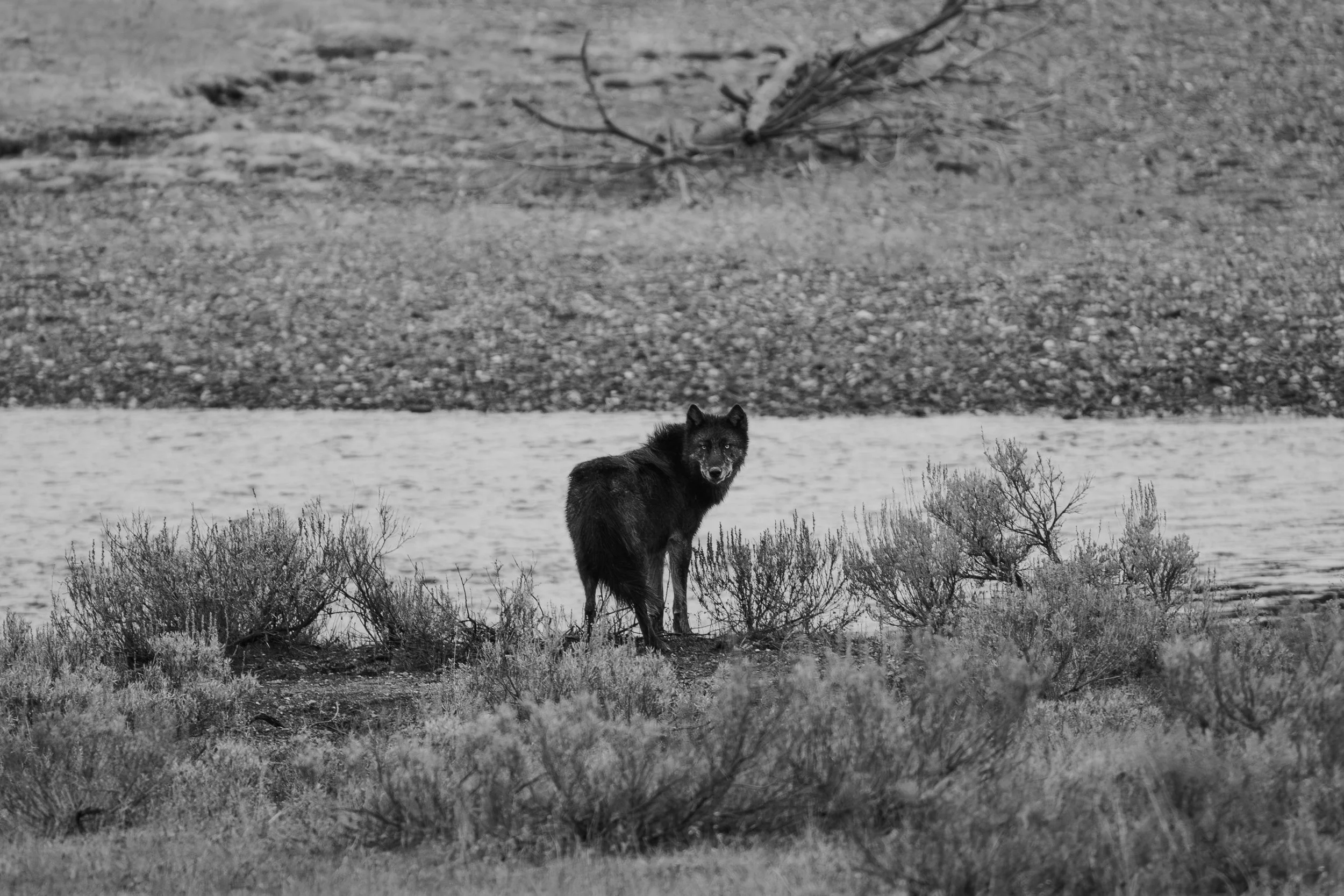
Today, gray wolf populations are estimated to be hovering around 7,000 individuals in the lower 48. It is estimated that these populations are split between two regions: Upper Great Lakes and the West. The Upper Great Lakes region, which includes Michigan, Minnesota and Wisconsin is home to an estimated 4,500 wolves while the Western region, which includes Montana, Wyoming, Colorado, Idaho, Washington, Oregon and California, is home to an estimated 2,800 wolves.
A deeper look into the Great Lakes’ wolf population
For the sake of location fatigue, let’s look at gray wolves in the Great Lakes region. Minnesota’s gray wolves were reclassified as threatened in 1978 while the rest of the gray wolf populations in the lower 48 remained endangered. When enacted, there were only a few hundred wolves in Minnesota and a small number of wolves on Isle Royale in Michigan. By 2012, gray wolves in this region were officially removed from the ESA. Populations had reached a record high, by modern history standards, at around 4,000 animals in the region and conservation groups celebrated their delisting. The Endangered Species Act worked and it was a success story for wolves in this region. Until it wasn’t. In 2014 a U.S. District Judge ruled the 2012 delisting as a violation and gray wolves were, once again, listed under the Endangered Species Act. An appeals court upheld this when challenged in 2017. In 2021, wolves were removed from the ESA and management was handed over to the states. That year, Wisconsin authorized a February wolf hunt and in just 3 days 216 wolves were killed which exceeded the statewide quota of 119 for the entire season. I needn’t get into the ethics as it relates to hunting a species during their breeding season. Gray wolves were promptly put back on the list and remain there to this day.
The short of it: Great Lakes’ gray wolves were delisted and relisted twice between 2011 and 2021 and remain listed under the ESA at the date of publishing.
The state of wolves in 2026
H.R. 845 or the Pet and Livestock Protection Act, maybe you’ve heard of it. This bill, which has passed the House (211-204) would strip gray wolves of their federal protections, hand over management to the states and bar judicial review. Nowhere in the text of this bill does it discuss protecting pets and livestock in fact all it states is “Not later than 60 days after the date of enactment of this section, the Secretary of the Interior shall reissue the final rule entitled ‘‘Endangered and Threatened Wildlife and Plants; Removing the Gray Wolf (Canis lupus) From the List of Endangered and Threatened Wildlife.’’
Now I could bore you with the psychology of the colloquial name of this bill or how this bill is partisan or even Boebert and Tiffany’s individual political histories - but I won’t.
What I feel is most important about all of this are the blatant political biases rampantly running wolf management in this country. In my research, I couldn’t help but recognize a pattern; how, no matter who’s in office or what the priorities are, wolf policies are like a grape dangled over the Kings’ head. As if they are some sort of pawn used in furthering individualized ideals and desires. I fail to see how carnival like policies, as illustrated, above are of benefit to anyone involved, especially the animals. And especially the wolves.
Sure, humans predominantly learn by doing and I’m all for giving the benefit of the doubt. But when we’re quite literally living through an iteration of history I struggle to see any lesson learned. Are we really going to let history repeat itself? Are we going to undo the undo the work and have the millions of dollars that was spent on protecting gray wolves go to waste all to further the agenda of two individuals and a group of constituents? Has contemplation, self reflection, humility and this concept of “we” completely left our consciousness?
When you have multiple parties involved a rollercoaster of policy changes is inevitable. And maybe this is what the future of wolf management looks like in this country. And maybe wolves will be federally delisted and management is handed over to the states. We’ve been there before - we can figure it out. But “without judicial review” as H.R. 845 so aptly specifies - that is inherently unacceptable as are self serving politics that dictate the future of an entire species.
In my research, I found a question and answer document from the US Fish and Wildlife Service that was published in 2021 addressing concerns of the 2021 delisting (the same delisting that decided the fate of the Wisconsin hunt). One question reads, what will happen if gray wolf population numbers decrease? The Service has agreements from several states to manage wolf populations at sustainable levels, so we are confident that gray wolf numbers will remain strong. We will continue to monitor the delisted wolf populations for the statutory five years to ensure they continue to sustain their numbers. Although we do not expect it will ever be necessary, as with all recovered species, we may consider relisting, and even emergency relisting, if such an action is warranted.
With no checks and balances from federal entities, that are quite literally employed "To conserve, protect, and enhance fish, wildlife, plants, and their habitats for the continuing benefit of the American people" what happens if wolf populations plummet?
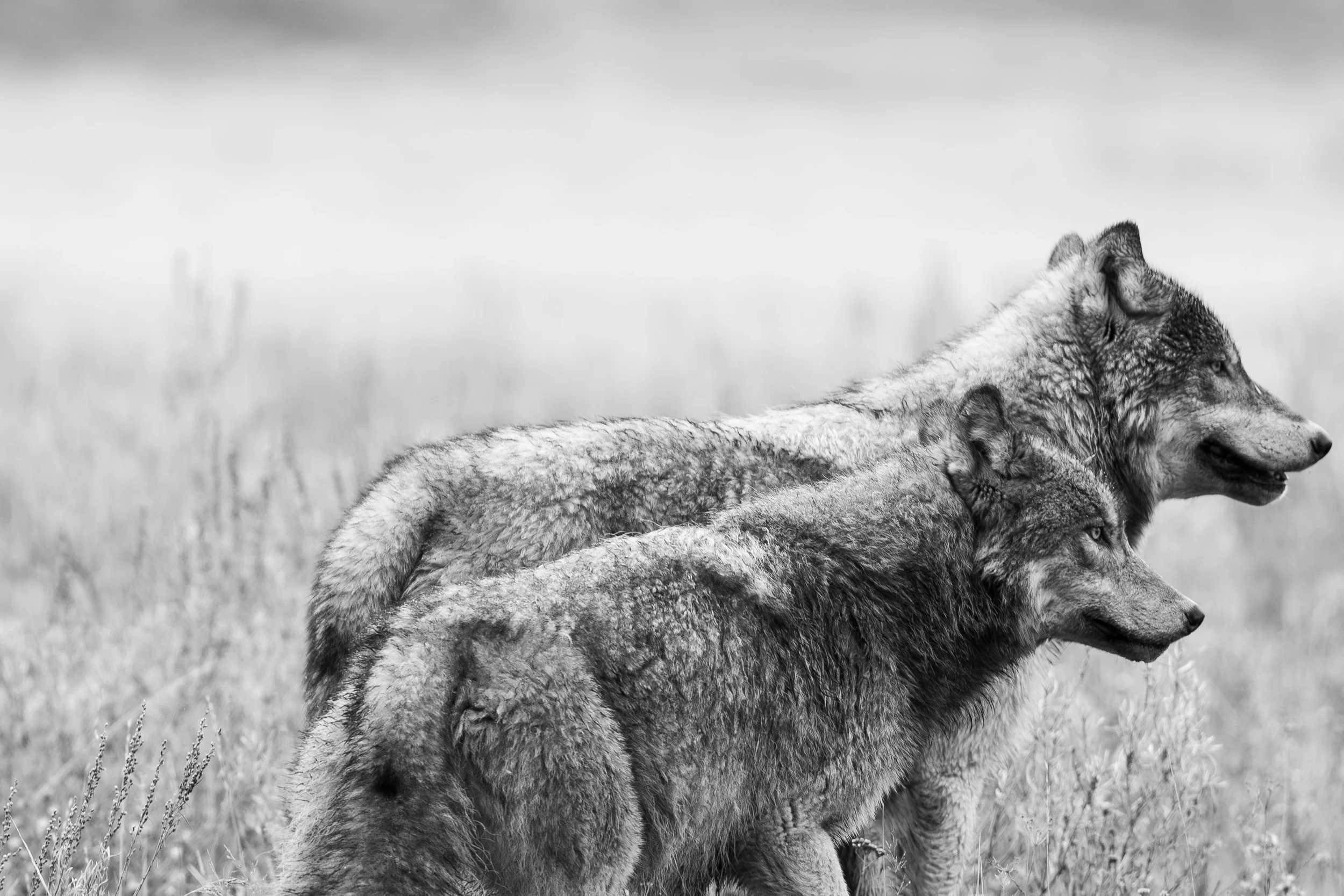
With no checks and balances from federal entities, that are employed "To conserve, protect, and enhance fish, wildlife, plants, and their habitats for the continuing benefit of the American people" what happens if wolf populations plummet?
A drop in the bucket
And while H.R. 845 might seem like a small drop in a very big bucket, it is, in fact the very opposite. Rather it is a very big drop in a very small bucket. Gray wolves occupy only ~10% of their historical range in the lower 48. And while I recognize that the landscape has greatly changed over the course of history and it certainly doesn’t look like it once did, I can’t seem to reconcile why we’re so hell bent on making it impossible for these animals to live peacefully on the negligible amount of land we permit them to exist on.
I for one, don’t want to see animals on the ESA. I daydream about the day such policies and laws aren’t needed. The day that we are responsible enough stewards that overconsumption isn’t even in our brain space. I want to live in a world where animals come off the ESA because collective recovery efforts were successful. But I also what the option to relist animals should they need a reprieve.
Without the Endangered Species Act and other checks and balances - what would the world look like in 200 years? Would it mirror what occurred during the first two centuries? Would we systematically wipe out species and ecosystems for private gain without considering the ecological repercussions? I realize these questions are fraught with existentialism but I beg you to take a step back and envision what the future holds for wild wolves should H.R. 845 become law.
Further reading;
https://montanafreepress.org/2023/12/21/the-endangered-species-act-by-the-numbers/
https://www.biologicaldiversity.org/campaigns/gray_wolves/action_timeline.html
https://www.fws.gov/sites/default/files/documents/Gray-Wolf-Final-Delisting-Rule-FAQs_0.pdf
https://esa.org/esablog/2012/01/04/great-lakes-gray-wolves-delisted-federal-monitoring-efforts-continue
https://nywolf.org/learn/u-s-wolf-populations/